Beyond the Physical: How Martial Arts Builds Boundary-Setting Confidence in Shy Kids
Redefining Strength for the Quiet Child
Quiet children are not automatically vulnerable. Introversion can reflect thoughtfulness, careful observation, empathy, or a preference for smaller social circles. The concern begins when a child”s natural reserve is mistaken for permission to cross personal boundaries. A student who looks down, freezes under pressure, or struggles to say “stop” may become an easier target for teasing, exclusion, or repeated testing by peers. The goal is not to change a gentle child into a loud or confrontational one. The goal is to give that child reliable tools for being seen, heard, and respected.
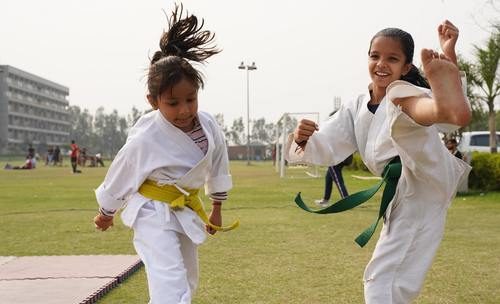
Many parents hesitate when martial arts enters the conversation. They picture competition, hard contact, or lessons that reward aggression. Quality youth training teaches the opposite. A well-run program places respect, safety, self-control, and responsibility ahead of physical dominance. Children learn that physical skills are a last resort, not a first response. They practice listening, following instructions, managing frustration, and recognizing when to seek adult help. For parents exploring structured youth programs, guidance for gentle children also emphasizes assertiveness, role-play, emotional support, and consistent encouragement.
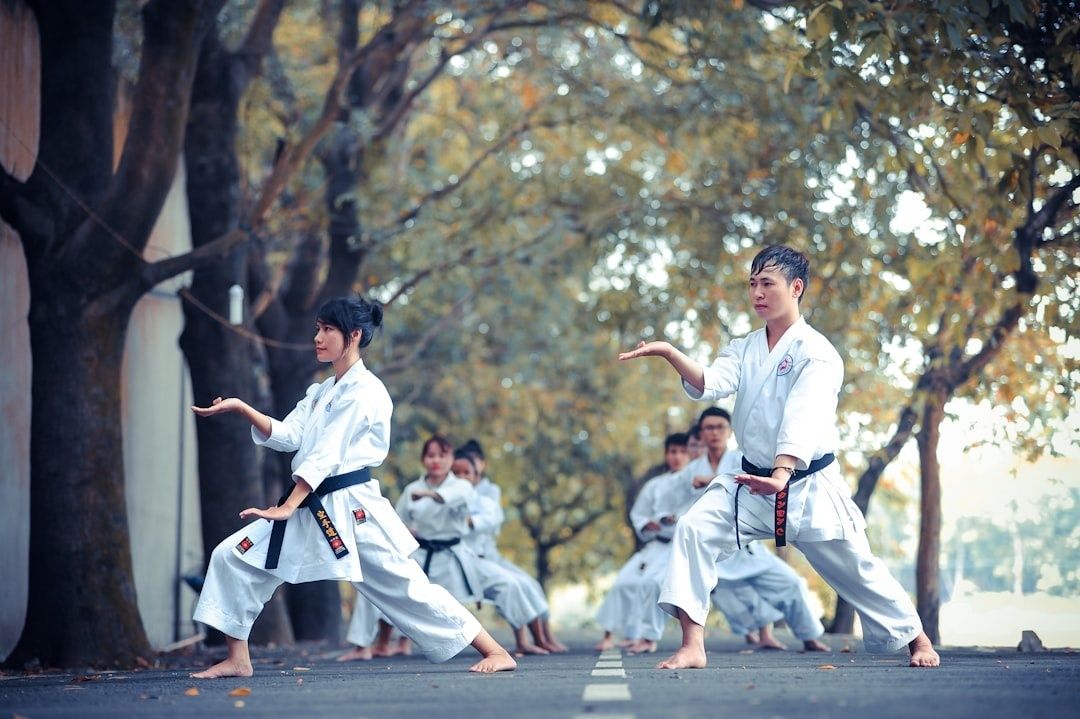
The dojo becomes an emotional laboratory where children can rehearse calm authority in a controlled setting. Before a student ever learns a complicated technique, the instructor teaches how to stand, breathe, focus, and respond to direction. These small actions matter because interpersonal boundaries are often communicated before words or physical contact occur. A balanced stance, a deliberate glance, and a steady voice can tell others that a child is attentive and prepared. Strength, in this setting, means self-command. It allows a kind child to remain kind without becoming defenseless.
The Anatomy of Presence and Postural Grounding
Body language is not a perfect measure of confidence, and children should never be blamed for another person”s bullying. Still, posture can influence how a child feels and how peers interpret a moment. A habitual slouch, lowered head, folded shoulders, or constant gaze toward the floor may communicate hesitation, especially when a child is already anxious. Under stress, the body often contracts. The chest tightens, breathing becomes shallow, and the child may appear ready to retreat even when the child wants to object.
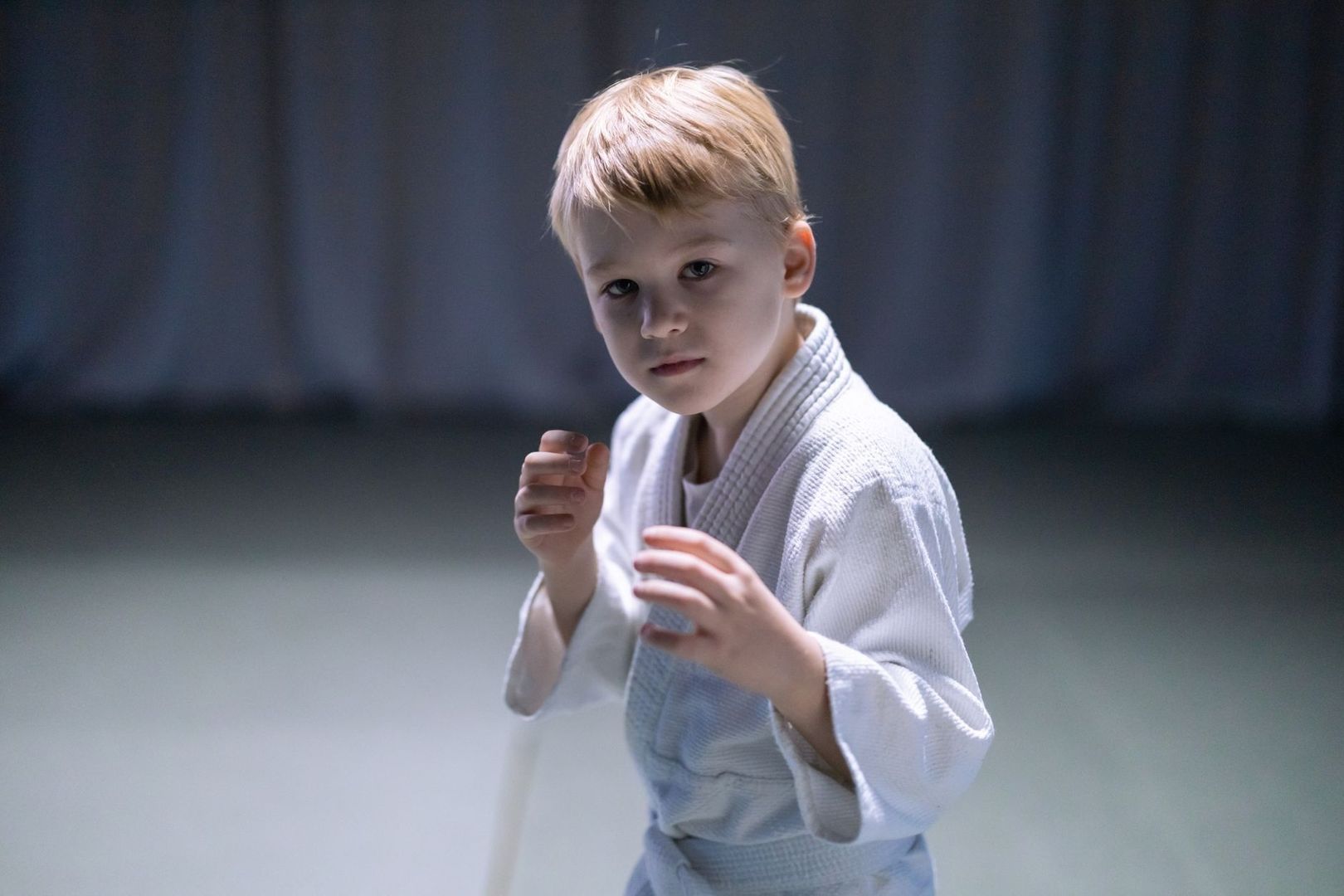
Martial arts addresses this pattern through the ready stance, often called kamae. The stance is not a threat display. Feet are positioned for balance, knees remain soft, the spine is lengthened, shoulders stay relaxed, and the head remains level. Over time, these elements become practical daily habits. A student learns to stand with weight distributed evenly, keep enough space to move, and face a situation without rushing toward it or shrinking away. Learning physical alignment can shift a child”s self-perception quickly, particularly when the child notices that a stronger posture makes breathing and speaking easier.
Balance also creates a somatic bridge to emotional resilience. A child who practices recovering from a wobble, resetting after a missed movement, or holding a stable position while distracted learns that discomfort does not require panic. The lesson transfers beyond the mat. During an uncomfortable exchange, the child can feel both feet on the ground, release the shoulders, inhale, and pause before responding. Calm eye contact supports this process. It establishes an invisible protective perimeter by showing attention and confidence without inviting confrontation. The objective is a brief, natural look that communicates presence, not a stare intended to intimidate.
- Keep the head level and shoulders relaxed rather than rigid.
- Place both feet securely so the child can move away if necessary.
- Use brief eye contact, then look toward a trusted adult or safe exit when appropriate.
- Practice standing tall while speaking, without puffing the chest or stepping aggressively forward.
Vocal Projection as an Immediate Shield
A boundary that cannot be heard is difficult to enforce. Shy children may know exactly what they want to say but lose access to their voice when tension rises. Martial arts training helps by connecting breath to sound. The kiai, or spirit shout, is not uncontrolled yelling. It is a focused exhalation that engages the diaphragm, organizes posture, and teaches the student to release sound with purpose. In children”s classes, it should be taught safely and age appropriately, with attention to volume, breathing, and respect for classmates.
The same skill can become a calm verbal boundary. A child does not need an angry voice to be effective. Short phrases delivered at a measured volume are easier for peers and adults to understand than a long explanation filled with apologies. The Center on PBIS emphasizes advance planning and supportive de-escalation rather than relying only on reactive or punitive responses. That principle applies to children as well. Rehearsed language gives a student a plan before fear takes over.
- Build the breath. Have the child inhale quietly, feel the abdomen expand, and exhale while saying a simple phrase such as “Stop.”
- Find a clear volume. Progress from a whisper to a conversational voice, then to a firm voice that could be heard across a classroom without sounding frantic.
- Add grounded posture. Stand with feet stable, shoulders loose, chin level, and hands in a neutral position.
- Use a complete boundary. Practice phrases such as “Stop. I do not like that,” “Do not touch me,” or “Move back, please.”
- Exit and report. Teach the child to move toward a safe adult or group and explain what happened, especially when behavior continues or becomes unsafe.
Reactive yelling often carries panic, insult, or a challenge, which can intensify a peer conflict. Firm boundary-setting is different. The voice is direct, the language is brief, and the child does not debate whether the boundary is reasonable. The Crisis Prevention Institute describes limit setting as clear, respectful communication that creates predictability and security. Practicing these scripts at home and in class role-play helps children use them under pressure. A clear “Stop” may interrupt casual teasing, while a steady “That is not okay. I am getting an adult now” signals that the child will not remain trapped in the exchange.
Four Stages of De-escalation on the Mat and in School
Effective self-protection begins before a confrontation. Situational awareness means noticing the environment, identifying trusted adults, recognizing when a joke has become targeted harassment, and observing whether there is a safe path away. Martial arts adds the concept of ma-ai, or appropriate distancing. Children do not need to calculate technical fighting range. They need to understand that personal space is useful information. Standing too close can increase pressure, while stepping back can create time to speak, leave, and seek help.
The following matrix translates training principles into school-friendly actions. It is not a fighting plan. It is a sequence for slowing the moment down and choosing the least forceful effective response. School staff must address ongoing bullying, threats, and physical aggression. Children should never be expected to solve dangerous behavior alone. The Center on PBIS recommends planned, supportive approaches that reduce dependence on reactive responses, while classroom limit-setting guidance emphasizes clear expectations, consistent language, prompt intervention, and family involvement.
| Reactive instinct | Martial de-escalation protocol | Practical school action |
|---|---|---|
| Freeze or stare at the floor | Ground the feet and scan the surroundings | Identify a safe adult, friend, or exit |
| Rush forward or argue | Maintain ma-ai and create space | Take a step back without turning the situation into a challenge |
| Yell insults or threaten | Use one clear, firm boundary | Say, “Stop. Do not touch me,” in a controlled voice |
| Remain trapped in the exchange | Disengage and report | Move to supervision and tell an adult what occurred |
Translating Mat Confidence into Daily Social Interactions
Confidence becomes meaningful when it appears in ordinary moments. A child may need to respond when someone cuts in line, repeatedly teases a lunch-table companion, grabs a backpack, blocks a hallway, or enters personal space after being asked to stop. These situations do not all carry the same level of risk, so the response should match the behavior. A line cutter may require, “I was waiting here. Please go behind me.” Unwanted teasing may call for, “That comment is not okay. Stop.” A physical violation requires immediate distance, adult support, and a report.
Parents can reinforce these skills through short, low-pressure role-play rather than dramatic simulations. Keep the setting familiar and let the child switch roles. Start with a cooperative scenario, then add mild difficulty. Praise the process, not theatrical toughness. The child is earning confidence through repetition: stable posture, clear words, a pause, and a move toward safety. Guidance for parents of gentle children commonly recommends discussing bullying, modeling respectful confidence, building self-esteem, encouraging healthy friendships, and involving teachers or counselors when needed. Martial arts supports those measures; it does not replace them.
- Line cutting: Practice facing the person, keeping space, and saying, “I am next. Please wait behind me.”
- Teasing: Rehearse a neutral expression, one firm statement, and an immediate return to a friend or adult.
- Personal space: Practice stepping back and saying, “Please move back. I need space.”
- Repeated behavior: Teach the child not to keep negotiating. Use the boundary once, leave, and report.
- Unsafe contact: Emphasize getting loud enough to attract help, moving toward safety, and telling a trusted adult immediately.
The deepest change is mental. A passive recipient waits for someone else to decide whether a behavior is acceptable. An active communicator recognizes the boundary, states it, and chooses the next safe action. That does not mean controlling every person or winning every exchange. It means understanding that the child”s voice, space, and safety matter. Emotional regulation is central to this progress. On the mat, students learn to sit through tension, reset after mistakes, and continue following instructions while their heart rate rises. At home, parents can practice a three-second pause, slow breathing, and a simple question: “What is the safest next step?”
Empowering Gentle Children with Lifelong Calm Authority
Martial discipline should preserve a child”s kindness while removing the sense of helplessness. The quiet student does not need to become aggressive, intimidating, or socially dominant. The student needs grounded posture, deliberate eye contact, controlled breathing, and a voice that can establish a respectful limit. With consistent instruction, hesitation can become measured awareness. Fear can become a signal to pause, create distance, and seek support. Confidence is not performed through threats; it is built through dependable habits.
Parents can support the transformation by choosing a youth program that prioritizes safety, age-appropriate instruction, respect, and nonviolent conflict resolution. Ask how instructors handle bullying concerns, whether students practice verbal boundaries, and how the program teaches children to report unsafe conduct. At home, listen without blaming, rehearse brief scripts, celebrate small acts of assertiveness, and maintain communication with teachers and school counselors. One class will not erase every fear, but steady practice can give a child a calm authority that lasts well beyond childhood. The next step is simple: help the child stand firmly, speak clearly, and know that seeking help is an essential part of strength.