Staying on the Mat: How Martial Artists Over 40 Manage Soreness and Protect Joint Health
Mastering the Long Game on the Mats
Turning 40 does not mean stepping away from vigorous martial arts, and it certainly does not mean accepting constant soreness as the price of participation. Brazilian jiu-jitsu, karate, taekwondo, judo, and MMA can remain demanding, rewarding disciplines well into mature decades when training is organized around intelligent progression. The goal is not to avoid effort. The goal is to make effort repeatable.
Many practitioners make the mistake of “dialing back” so far that they lose strength, timing, balance, and conditioning. That kind of deconditioning can make ordinary rounds feel harder and may leave the body less prepared for sudden demands. A better approach is to adjust training variables such as intensity, frequency, partner selection, warm-up quality, and recovery time while continuing to practice meaningful skills.
Recovery and joint care should be treated as martial arts disciplines in their own right. A mature athlete learns to read movement quality, breathing, joint comfort, and nervous-system fatigue with the same attention given to stance or grip. A scoping review of hard martial arts for older adults found improvements across areas including strength, mobility, aerobic endurance, flexibility, and balance in several studies, although the authors also noted that the evidence remains limited and inconsistent. The lesson is encouraging but practical: disciplined combat training can support function, provided the schedule is individualized and the body is managed with respect.
Rethinking the Mature Training Schedule for Optimal Adaptation
After 40, recovery timelines often change even when motivation and skill remain strong. Tendons, connective tissues, and the nervous system may need more time between hard sessions, particularly after intense sparring, repeated takedowns, or heavy conditioning. This does not diminish the ability to learn. In fact, complex martial arts continue to challenge coordination, attention, decision-making, and timing. A technical session performed with focus can produce substantial progress without the same tissue stress as a maximal sparring day.
Think in terms of hard, moderate, and restorative training rather than treating every class as equally intense. Two demanding sessions placed back to back can turn normal soreness into lingering irritation. Alternating stress gives the body a chance to adapt while preserving frequency and rhythm. If a knee feels swollen, a shoulder loses comfortable range, or fatigue affects reaction time, change the session rather than forcing the planned workload. Persistent or worsening symptoms deserve assessment from a qualified medical professional or physical therapist.
| Training day | Primary emphasis | Practical adjustment |
|---|---|---|
| Day 1 | Technical drilling | Practice combinations, positional work, and controlled repetitions |
| Day 2 | High-intensity rounds | Limit total hard rounds and select reliable partners |
| Day 3 | Restorative movement | Walk, cycle easily, perform mobility, and use relaxed breathing |
| Day 4 | Strength and skill | Build leg, trunk, grip, and shoulder capacity without grinding |
| Day 5 | Optional moderate class | Prioritize timing and accuracy over exhaustion |
This structure is only a starting point. A busy adult may progress well with two high-quality classes each week, especially when practice is consistent. A more experienced athlete might train more often, but not every session should demand maximal output. Sleep, hydration, protein intake, work stress, and previous injuries all influence adaptation. Martial arts also provide mental and social benefits through complex motor learning and group practice, but recent reviews emphasize that research methods and training styles vary, so claims about brain or recovery effects should be viewed as promising rather than absolute.
Targeted Joint Mobility Before Taking the Floor
Cold tissues are a poor starting point for explosive kicking, sprawls, throws, or deep grappling positions. Long static stretches performed before the body is warm may reduce short-term force production in some circumstances, while dynamic movement generally prepares power and coordination more effectively. Static stretching still has a useful place, particularly after training or in a separate mobility session, but it should not replace a progressive warm-up.
Before class, give special attention to the hips, ankles, thoracic spine, and trunk control. Hip mobility helps you rotate, pummel, pivot, and change levels. Ankle movement supports stable footwork and safer squatting positions. Thoracic mobility allows the upper body to turn without asking the lumbar spine to provide all the rotation. Lower-extremity resilience also improves when mobility is paired with strength work such as controlled squats, lunges, calf raises, and ankle rotations. Equipment, footwear, and training surfaces matter too, especially in MMA and striking sessions.
- Raise temperature. Spend two to three minutes walking briskly, shadowboxing lightly, cycling, or moving around the mat until breathing is elevated but controlled.
- Mobilize the ankles and hips. Use ankle circles, gradual knee-over-toe movements, hip circles, controlled leg swings, and bodyweight squats within a comfortable range.
- Prepare the spine and shoulders. Add cat-camel movements, thoracic rotations, scapular push-ups, and slow arm circles without forcing end range.
- Rehearse martial patterns. Progress from easy stance switches and technical shots to controlled sprawls, pivots, bridges, rolls, or light shadow combinations.
The sequence should leave you feeling more capable, not drained. Avoid bouncing into painful positions or treating discomfort as proof that a stretch is working. If a joint repeatedly catches, gives way, becomes hot and swollen, or produces sharp pain, stop loading it and seek professional guidance. A warm-up is successful when it improves movement quality and confidence before the first serious exchange.
Post-Training Protocols to Eliminate Next-Day Stiffness
The first 30 minutes after training are a useful opportunity to lower muscular tone and restore comfortable movement. This does not require an elaborate ritual. A gradual cool-down, gentle mobility, hydration, and a few relaxed stretches can help you transition out of the high-alert state created by hard rounds. Stretching should be comfortable and controlled, never forced through pain.
Research on stretching shows that static, dynamic, and pre-contraction methods can all improve range of motion, but the appropriate method depends on the goal and the individual. Static holds often work well after training, while dynamic movements are better suited to preparation. Guidance from Harvard Health on stretching emphasizes that regular flexibility work helps preserve range of motion and may reduce the strain associated with shortened, tight muscles. Flexibility develops over weeks and months, so consistency matters more than aggressive intensity.
- Cool down gradually. Walk for five minutes and allow breathing and heart rate to settle rather than stopping abruptly after hard rounds.
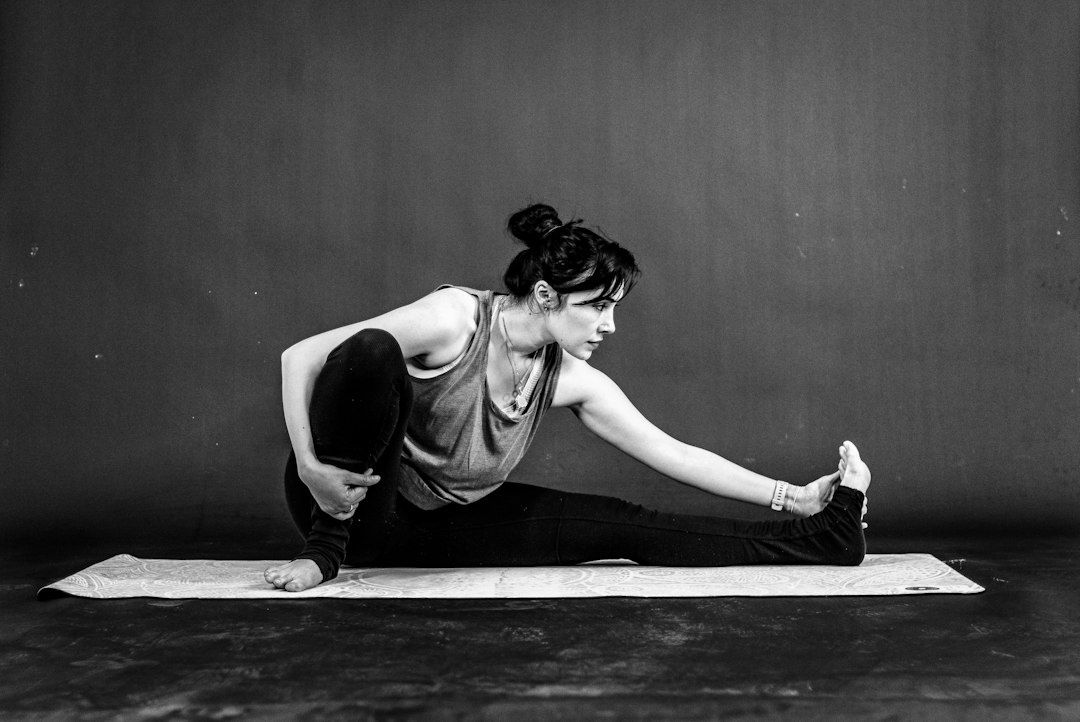
- Stretch key areas. Use comfortable holds for the calves, hamstrings, hip flexors, quadriceps, shoulders, and lower back. Do not bounce or force range.
- Use foam rolling selectively. Spend brief periods on the calves, quadriceps, glutes, and hip flexors, avoiding direct pressure on joints, bruises, or acutely painful tissue.
- Reset breathing. Inhale gently through the nose and extend the exhale. A longer, calm exhalation can help shift attention away from fight-or-flight arousal.
Foam rolling should create a sense of reduced tension, not numbness or escalating pain. Pair it with active movement so the nervous system learns to use the newly comfortable range. Then refuel with a balanced meal containing protein and carbohydrates, particularly after a demanding session. Older athletes in stretching research have generally tolerated brief cardiovascular changes during stretching, but anyone with relevant medical conditions should follow individualized advice.
Active Restoration Between Training Days
Complete sedentary rest and active recovery are not the same. If a session leaves you injured or unusually exhausted, genuine rest and medical evaluation may be necessary. For ordinary training soreness, however, light movement often feels better than spending the entire day immobile. Easy walking, gentle cycling, swimming, or relaxed mobility can promote circulation without adding significant joint load.
Restorative locomotion can also preserve the qualities that make martial arts enjoyable. Try slow bear-position weight shifts, comfortable hip transitions, crawling variations, controlled rolls, or light footwork without impact. Keep the effort low enough that breathing remains easy and technique remains smooth. The aim is to explore motion, not to turn recovery into another conditioning session.
- Hydrate consistently. Replace fluids across the day, especially in hot gyms or after prolonged sweating.
- Eat for rebuilding. Include adequate protein, colorful produce, carbohydrates for training fuel, and nutrient-dense fats.
- Protect sleep. Consistent sleep supports tissue repair, mood, reaction time, and training judgment.
- Use complementary care carefully. Massage, physical therapy, or sports acupuncture may help some people manage tension or discomfort, but symptom relief does not prove that an injury has healed.
Sports acupuncture can be considered as a complement to, not a replacement for, diagnosis, rehabilitation, strength training, sleep, nutrition, and sensible load management. Evidence and individual responses vary, and treatment should account for medications, medical history, and previous injuries. Never use a temporary reduction in pain as permission to ignore swelling, weakness, instability, or rapidly worsening symptoms.
Build Your Multi-Decade Resilience on the Mats
Joint care, mobility, and recovery are not signs of reduced ambition. They are advanced training skills. The practitioner who manages intensity, warms up with purpose, restores movement after class, and recognizes warning signs is better prepared to keep learning than the athlete who relies on toughness alone. Aging changes the training parameters, but it does not erase the potential for sharper technique, better timing, stronger decision-making, and meaningful progress.
Use the next week to establish a durable rhythm:
- Schedule hard sparring with recovery time around it.
- Complete a progressive dynamic warm-up before every demanding session.
- Perform brief post-training mobility and calm breathing.
- Walk or move gently on non-training days instead of remaining completely sedentary.
- Track soreness, sleep, joint symptoms, and training quality.
- Modify or seek professional guidance for pain that persists, worsens, or changes normal movement.
Confidence on the mat is earned through preparation and consistency. Train with intensity when the body is ready, train technically when it needs refinement, and recover deliberately so the next session remains available. That is how martial artists stay in the practice for decades while protecting the joints that carry them there.